A Window into Prehistoric Life
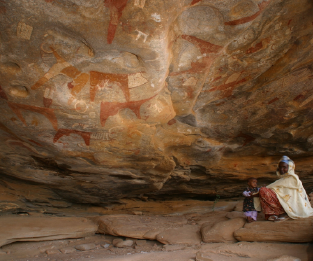
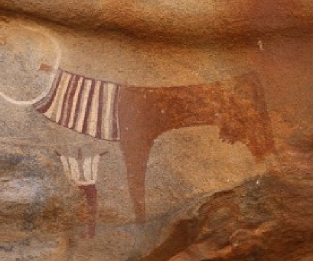
The rock shelters at Laas Geel are adorned with vivid paintings believed to date back thousands of years. These artworks depict cattle, humans, ceremonial scenes, and geometric patterns. The cattle, often shown with decorated bodies and long horns, suggest the importance of livestock in the lives of the ancient people who created them.
What makes Laas Geel particularly special is the clarity and brightness of the paintings, which have survived remarkably well due to the sheltering rock formations that protect them from weathering.
Cultural and Historical Significance
Laas Geel is considered one of the earliest known examples of rock art in the Horn of Africa. It provides valuable insight into the region’s early pastoral societies and their connection to livestock, spirituality, and community life.
For historians and archaeologists, the site is an important link in understanding human migration, settlement patterns, and cultural development in East Africa.
Visiting Laas Geel
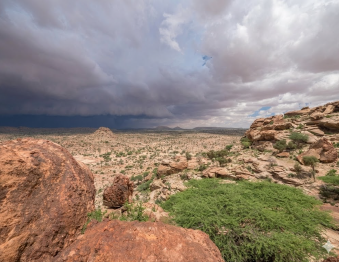
A visit to Laas Geel is both educational and visually stunning. The site is located about 50 kilometers northeast of Hargeisa and is typically accessed by road with a guide. Due to its remote location, visitors often travel with organized tours or local guides who are familiar with the terrain.
When visiting, it’s important to respect the site by not touching the paintings and following local guidelines to help preserve this ancient heritage for future generations.
Why Laas Geel Should Be on Your Travel List
Laas Geel is more than just an archaeological site—it’s a journey back in time. Whether you’re a history enthusiast, a cultural traveler, or simply someone seeking unique destinations, Laas Geel offers an unforgettable experience. Its combination of natural beauty, historical depth, and artistic expression makes it one of Somaliland’s most extraordinary attractions.